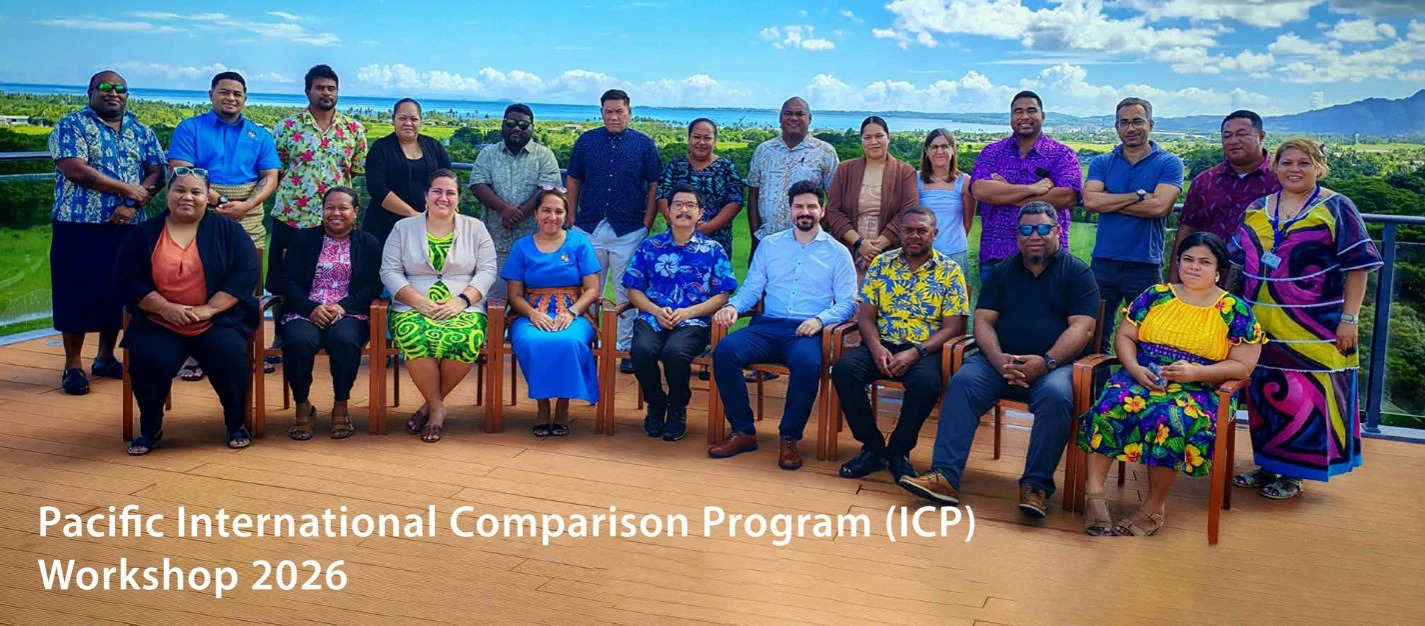
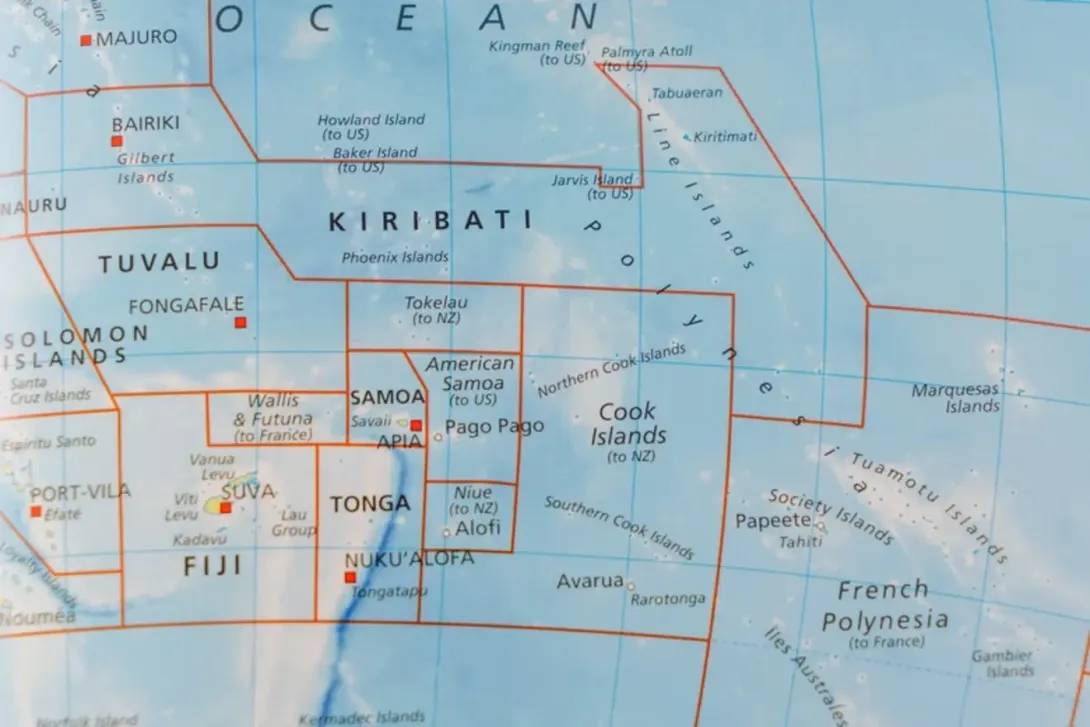
Pacific Island economies are returning to the International Comparison Program after 15 years, strengthening their representation in global comparisons of prices, living standards and economic performance. / Image: Shutterstock
Stretching across vast distances of ocean, the Pacific is home to some of the world's most geographically dispersed countries. That geography can make data collection a challenge. Yet, after more than a decade, 17 Pacific Islands’ economies are once again coming together to participate in the International Comparison Program (ICP), bringing the region back into the global statistics that help measure poverty, living standards and economic performance.
The ICP produces Purchasing Power Parities (PPPs), which allow to compare what people can buy in different countries by accounting for differences in prices, rather than exchange rates. The cost of a bag of rice, a bus ride, or an appointment with the doctor will vary in each country. Identifying those differences is part of the work done by the ICP, led by the Development Data Group, the World Bank Group’s development data hub, through the coordination of internationally comparable price surveys and the compilation of detailed GDP expenditure data from more than 175 countries.
The Pacific Islands last participated in the ICP in 2011. Their return marks the culmination of a long-standing effort by Pacific Islands countries and territories to rejoin, led by the Pacific Community (SPC) in partnership with the World Bank Group's ICP and the Asian Development Bank (ADB). The effort has been supported through financing from the World Bank Group's International Development Association (IDA) under the Statistical Innovation and Capacity Building in the Pacific Islands (PACSTAT) project.
Since 2011, PPPs for these economies have been extrapolated using available economic data. While these extrapolations can provide reasonable short-term estimates, their reliability declines as more time passes, making periodic benchmark PPPs based on direct data collection essential.
Over the past 15 years, the importance of PPPs has expanded considerably. They underpin Sustainable Development Goals (SDGs) monitoring, global poverty measurement, and a wide range of applications and indicators used by the World Bank Group, the International Monetary Fund (IMF), and the United Nations, while also supporting policy analysis and research worldwide. The participation of the Pacific Islands in the ICP will ensure that these economies are represented through direct measurement, rather than relying solely on extrapolations.
Overcoming challenges through innovation and digitalization
One distinctive feature of the Pacific region is the vast distance separating many of its islands. For example, Papua New Guinea and French Polynesia are more than 4,200 miles apart - farther than the distance between Miami, Florida, and Anchorage, Alaska. In addition, many Pacific Islands’ economies have populations below 400,000, with places such as Tokelau and Niue having fewer than 2,000 residents. This geographic isolation and limited economic scale can make access to a wide range of goods and services more difficult, requiring careful survey planning and implementation to achieve reliable results.
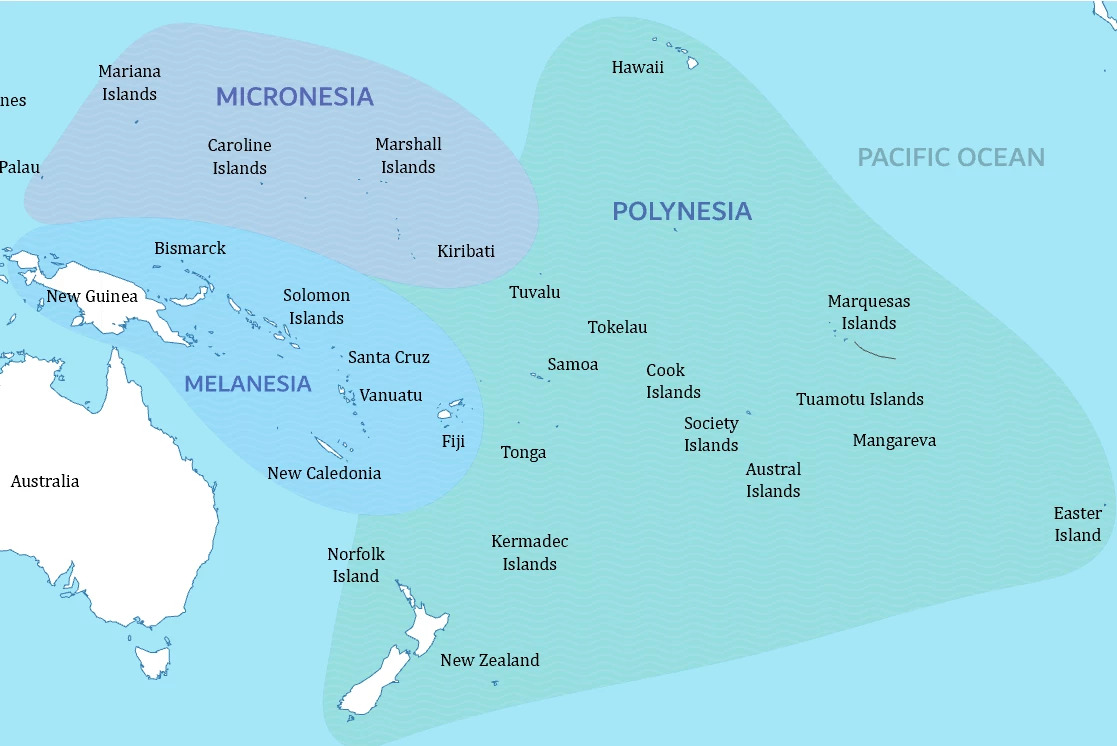
Despite these challenges, national authorities across the Pacific region have long recognized the importance of producing benchmark PPPs. Sustained cooperation among participating economies, SPC, the World Bank Group, and ADB has been central to advancing this work and ensuring the production of high-quality PPPs.
Through coordinated price surveys, shared standards, and robust quality assurance, the ICP framework ensures international comparability. Participation also strengthens national statistical systems by supporting Consumer Price Index (CPI) programs, improving GDP expenditure estimates, modernizing data collection, and building technical capacity beyond PPPs production.
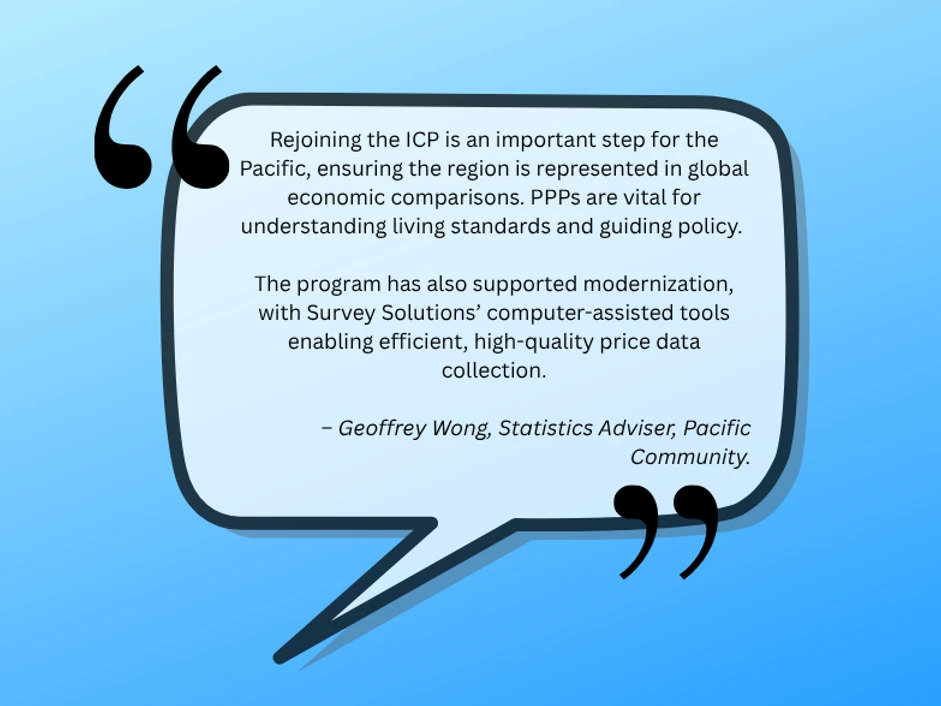
Innovation and digitalization have also played a critical role in supporting ICP implementation across the region. To facilitate price data collection, the SPC adopted the use of Survey Solutions – a survey management software developed by the World Bank Development Data Group - and created a Computer-Assisted Personal Interviewing (CAPI) questionnaire specifically tailored for ICP price surveys. The system was designed and deployed within a few months, resulting in a field-ready solution by August 2025 - an achievement, given the complexity of ICP’s price collection requirements.
The successful example of the Pacific Islands
While the current primary focus is the collection of comparable household price data across Pacific Island’s economies, the compilation of detailed GDP expenditure data is taking place as well. Overall implementation progressed rapidly throughout 2025 and 2026. A regional workshop was organized in June 2025, survey price data was collected from August through December 2025, and a regional price validation workshop took place in April 2026. These milestones demonstrate the region’s commitment and capacity to participate successfully in the program.
Additional rounds of data collection, validation, and compilation activities are planned for the coming months. They will support the publication of benchmark PPPs for Pacific Island economies in mid-2027, as part of the next ICP global release.
Looking ahead, the SPC and Pacific Islands economies are better positioned than ever to maintain active participation in the International Comparison Program, building on newly established tools, systems, and technical expertise. The adoption of Survey Solutions also offers opportunities beyond the ICP itself, including potential applications in CPI data collection and other statistical programs. By providing a digital platform with built-in quality controls and standardized data structures, the system helps reduce data entry errors and facilitates more efficient data validation.
The Pacific Islands’ return to the ICP demonstrates what can be achieved through partnership, innovation, and sustained investment in statistical capacity. In addition, it strengthens the ICP’s mission of ensuring that every economy - regardless of size or geographic isolation - is represented in global comparisons that inform development policy, economic analysis and international decision-making.