
WBG
The Power of Opportunity: Why Universal Infrastructure Access Matters
Imagine being unable to apply for a job, not because you lack the right skills, but because the infrastructure around you makes it impossible.
For many women in low- and middle-income countries, this isn’t hypothetical—it’s a reality. Unreliable transportation, limited access to affordable, high quality broadband internet, or lack of access to affordable energy all contribute to fewer opportunities for women.
Access to transportation, digital connectivity, and energy should be universal—fundamental services that empower people to live, work, and thrive. Yet in many parts of the world, infrastructure is far from gender-neutral. Women are often left behind because systems fail to meet their needs.
For example, women tend to rely on public transportation for short, multi-stop trips, often taking roundabout routes while juggling work, childcare, and household responsibilities every day. Women regularly change their travel plans and activities out of fear of harassment on public transit. Women are also 15% less likely than men in low- and middle-income countries to use mobile internet, locking them out of educational opportunities, financial services or remote jobs. Unreliable electricity can mean that women spend additional hours on household tasks such as collecting water and fuel or preparing food, limiting their ability to work or study.
If women had an identical role to men in labor markets, global annual GDP could increase by more than 20%. Addressing the lack of opportunities for women in infrastructure can enhance the lives of women and children, boost business productivity, and drive sustainable development.
Transport
Understanding the Gender Gap in Infrastructure
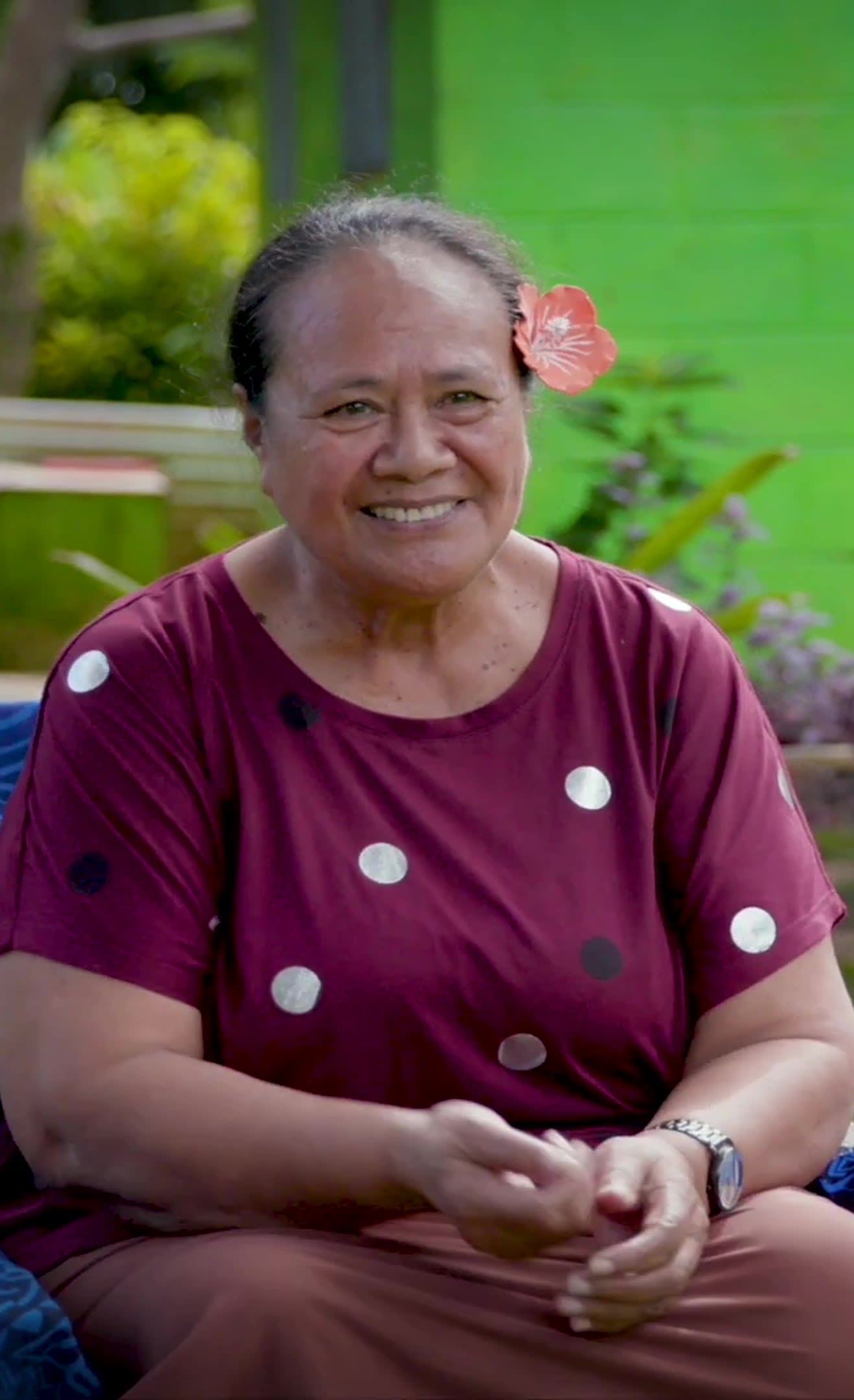
Olevia Afa lives on the outskirts of Apia, Samoa’s capital city. Until recently, Olevia relied on buses and taxis to run errands, visit friends, or visit any place around her city—a common mode of transportation in a country where only 27% of women have a driver’s license.
“I would go by taxi or bus, but I had some problems,” says Afa.
“And it’s costly.”
Olevia decided to go to the Land Transportation Authority and take the driving test.
“I passed the test. I was really happy on that day. Now I know how to drive a car and now I would like to encourage all women to come and sit for the test and get your license.”
Women rely on public transportation more than men but often encounter barriers like harassment, unsafe routes, and poorly designed systems that ignore their shorter, more frequent trips. They frequently engage in "trip chaining"—combining multiple stops into a single journey to manage household and caregiving responsibilities. These challenges limit women’s mobility and, therefore, their access to healthcare, education, and job opportunities.
Furthermore, women are underrepresented in the transportation workforce, comprising just 12% of transportation and storage workers worldwide. This means their perspectives are often neglected in the planning and design of transport systems. Addressing the gender gap in transportation is critical for boosting opportunities for women, unlocking economic potential for countries, and enhancing equity around the globe.
In Samoa, increased drivers’ licensing ownership among women is creating opportunities for employment and increasing connectivity and access. Furthermore, training courses are helping improve road safety—to the benefit of all.
New opportunities in transport aren’t limited to having a license. For instance, in Dakar, Senegal 43% of employees for the new bus rapid transit system are women, with the largest gains in sales roles and control agents. Similarly, in Quito, Ecuador, 40% of employees are women, including half of its managers.
To further support job opportunities for women, the World Bank Group and partners recently established the Women in Transport Network.
This initiative, which brings together stakeholders dedicated to empowering women across all levels of the transport sector, serves as a forum for networking, recruitment, information exchange, training, and mentorship opportunities for women.
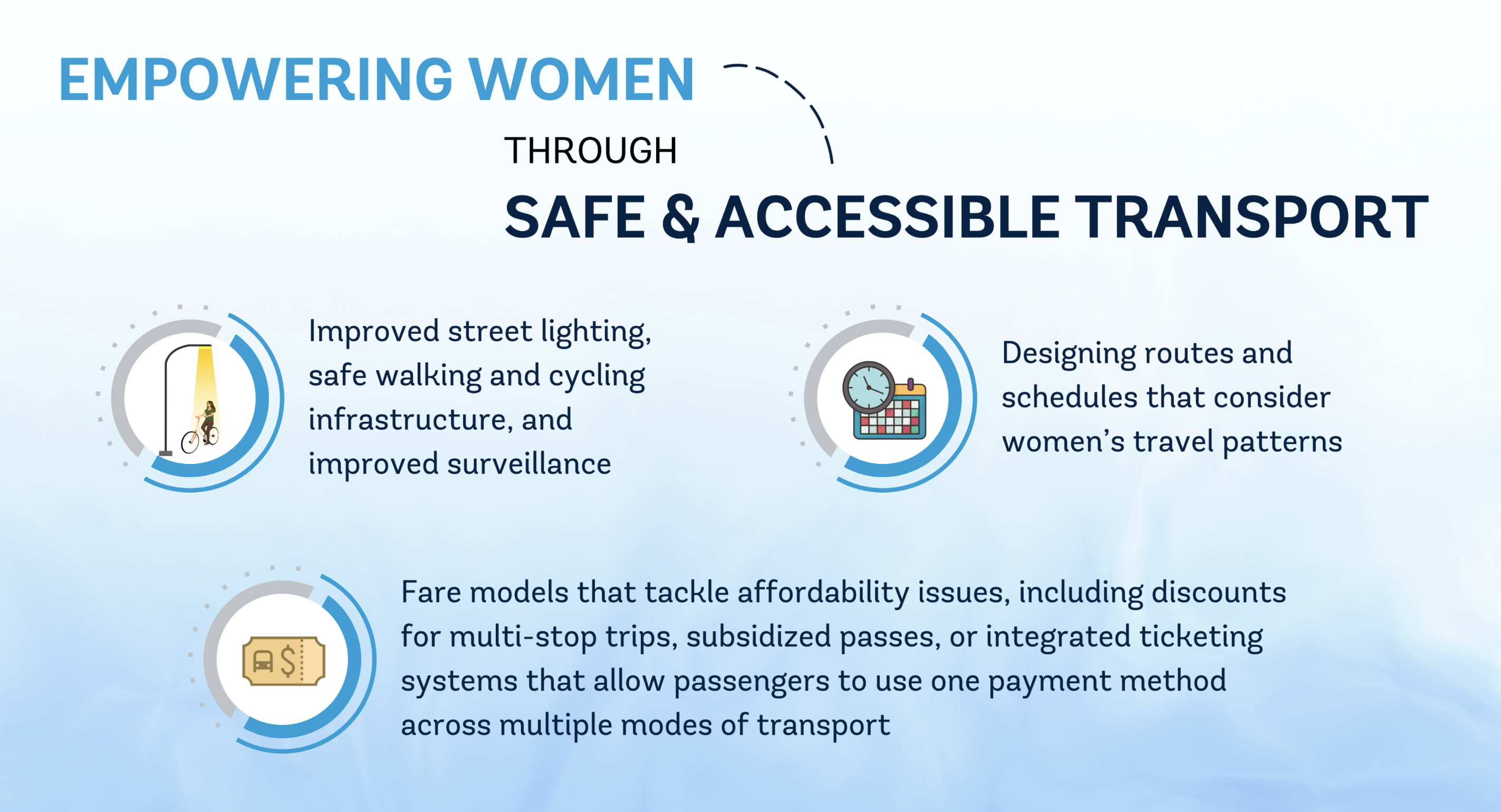
Designing transport systems that consider women’s needs can transform mobility, enhance safety, and boost their economic participation.
By designing gender-responsive transport infrastructure, governments, and other stakeholders can ensure that transport systems serve all users fairly.
Digital Infrastructure
Like transportation infrastructure, broadband internet infrastructure is a crucial enabler of economic participation, education, and innovation—especially in developing countries. Closing gaps between men and women in access to and use of digital technologies is critical for inclusive development.
This is why the World Bank Group aims to enable 300 million more women to use broadband by 2030.
Evidence in low- and middle-income countries suggests that broadband internet significantly increases women's labor force participation, helps them access flexible jobs,and with sustained use, results in greater financial inclusion.
Despite progress in closing the digital gender gap, globally there are still 189 million more men than women using and reaping the benefits of the internet. Some countries in Sub-Saharan Africa and South Asia drive this gap, with about 60% of women non-users living in the two regions.
This digital divide excludes women from education, information, financial services, and employment opportunities.
It is estimated that 32 low- and middle-income countries are on track to lose more than $500 billion in GDP in the next five years due to the digital gender divide.
Today’s gender digital divide isn’t just about access—it’s about using smartphones and high-impact digital services. Barriers are stubborn and interconnected, and affordability is a key challenge as high handset and data costs hit women harder due to lower incomes. Other barriers include poor digital literacy, limited relevant content, online safety risks, and restrictive social norms. The gender digital divide therefore reflects disparities in education, income, and employment in many low- and middle-income countries, and may exacerbate inequalities as more public and private services go online.
Access and use of digital technologies facilitates access to opportunities that otherwise remain out of reach for women, particularly those with low incomes in rural areas.
In Malawi, where some 1.8 million people currently live in areas without even basic mobile coverage, the Digital Foundations Project and a follow up Digital Acceleration project are trying to bridge this gap by empowering rural populations, youth, and women and girls through improved access and affordability of services and connection to information and markets.
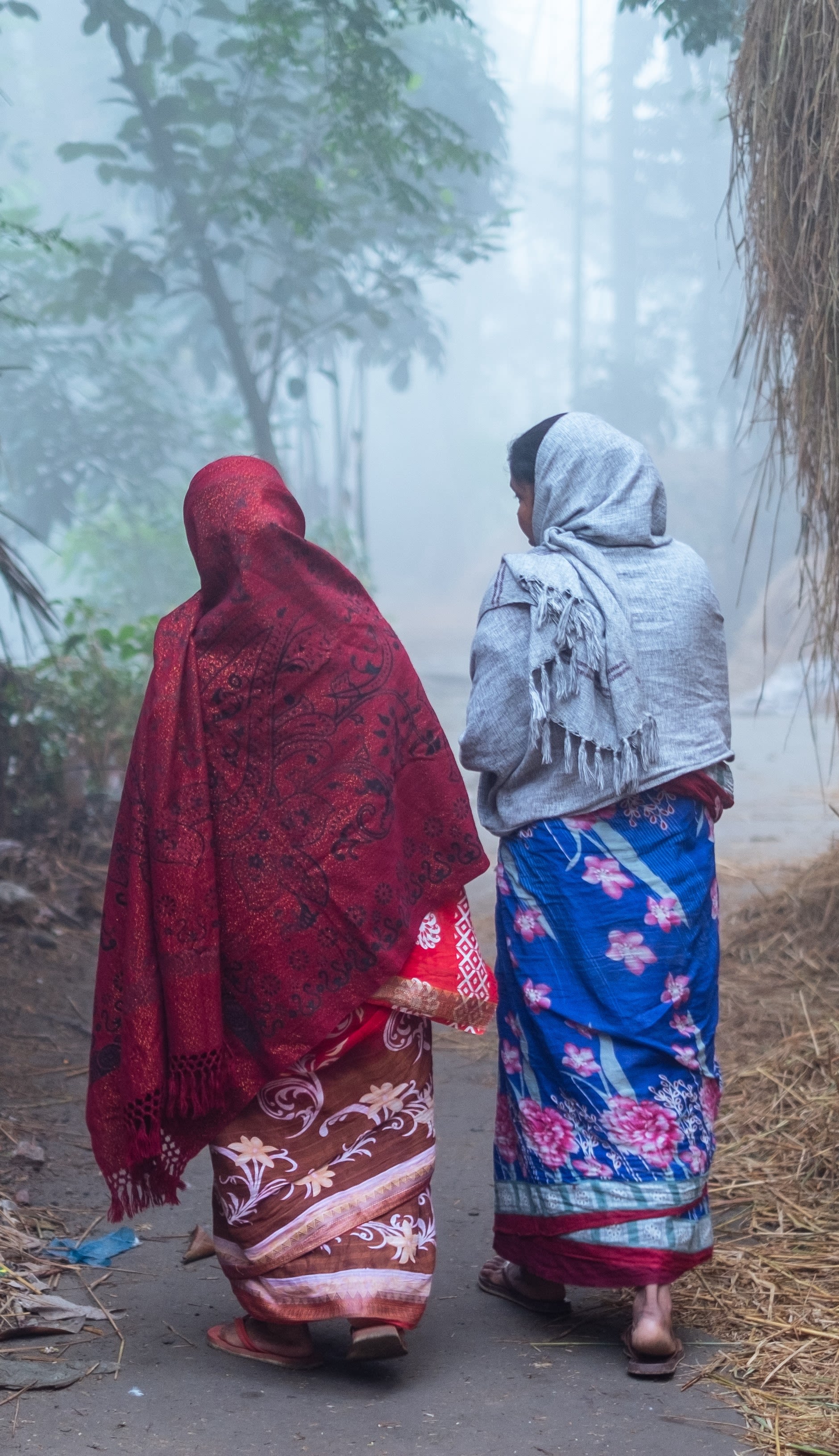
“My name is Yilinase Chawinga. As an entrepreneur, I run a digital marketing agency where I provide digital skills to various people—employers, students, and, of course, business people.”
Yilinase is one of nearly 20,000 people around the country who have received training to enhance their digital skills. As part of this project, Yilinase was provided start-up capital to expand her vision of boosting the digital skills of those in her community.
“After this training, businesses are able to use social media platforms to market their business. Students are able to use digital skills in the education sector, where they are able to type and write assignments. The sole essence of this is to change the lives of people in my community.”
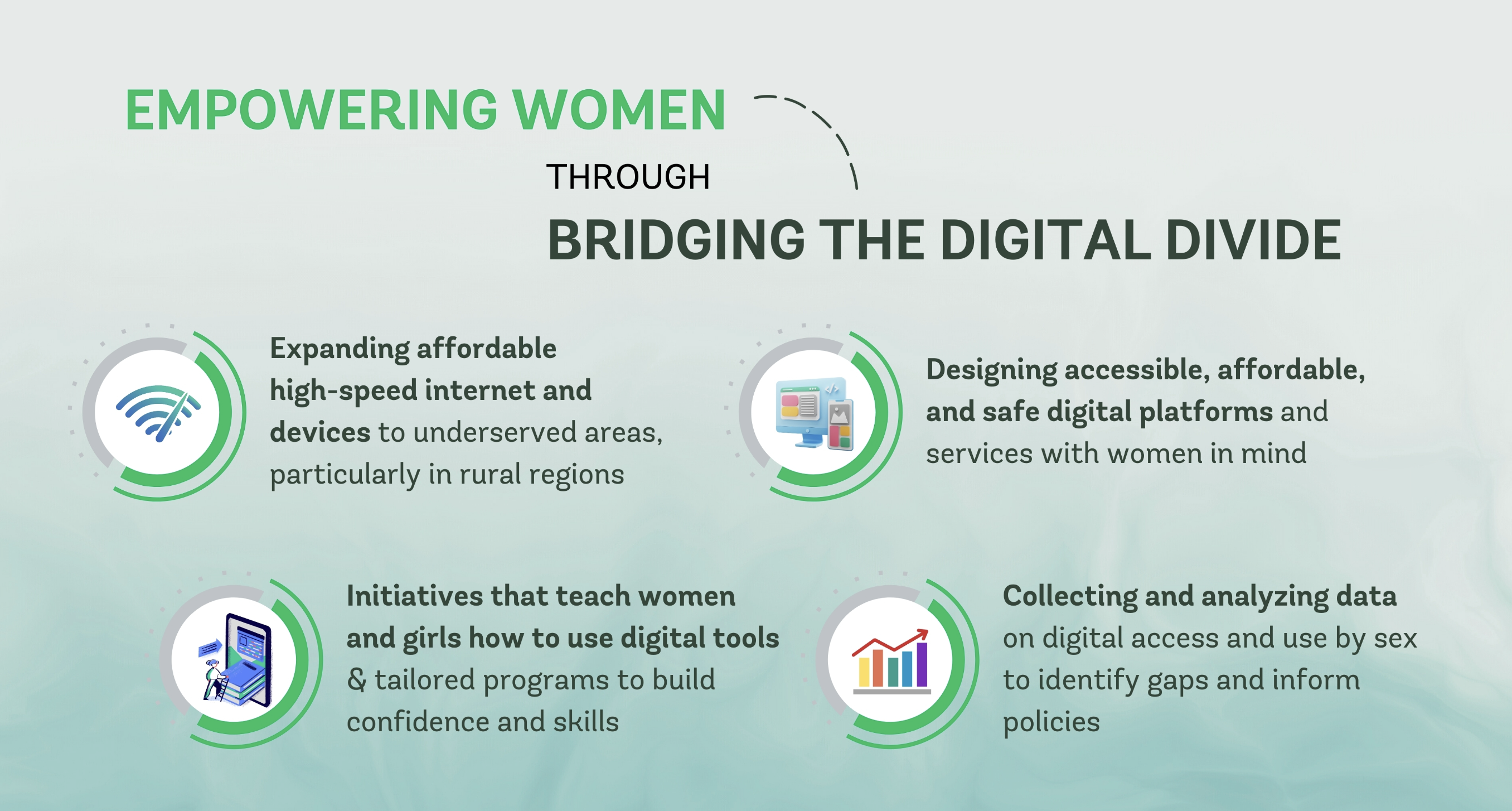
Expanding access to affordable, high-quality internet is crucial for empowering women and tackling disparities in the digital economy. Increasing inclusive digital connectivity includes measures such as improving the affordability of broadband, devices and data, along with establishing safe public internet access points. Gender-smart digital training programs are also key to supporting women, which they do through enhancing mobile literacy, connecting them to high-impact digital services, and helping women stay safe online. For those with more advanced digital skills, tailored training programs can equip women with in-demand tech skills and connect them to the labor market.
Energy
Energy access is a game changer for women. When women have reliable access to energy, their ability to educate their children, run businesses, and improve their own health and safety skyrockets.
However, many rural areas often lack this reliable access to electricity or clean cooking technology, which disproportionately affects women. Some 675 million people lack electricity across the world and 2.4 billion do not have access to clean cooking. Without dependable energy, women spend additional time on tasks like collecting water, gathering wood, or preparing food, leaving less time for education or employment. Access to electricity or better stoves could significantly alleviate these burdens, enabling women to considerably enhance their quality of life, such as by pursuing job opportunities or starting their own businesses.
In response to this challenge, Mission 300, a joint initiative of the World Bank Group and the African Development Bank (AfDB), with the support of partners, is helping to expand electricity access to 300 million people in Africa by 2030—many of whom are women and girls.
Focusing on the dual approach of connecting people to the grid as well as expanding distributed renewable energy systems—such and mini-grids and standalone solar—this project is accelerating the transformation of Africa’s energy sector, empowering local communities through inclusive access to energy, particularly for marginalized and rural populations, and promoting clean cooking solutions, which have outsized benefits for the health of women and girls.
Women and girls spend an average of 50 hours each week fetching firewood, cooking, and collecting water.
Globally, that's 200 million
hours every day.
The experience of Surjmani Devi, a mother from Bihar, India, shows how simple technology can dramatically improve the quality of life. She and her children once suffered from indoor air pollution caused by their traditional wood-burning stove.
“The earthen stove consumed more firewood and wasted so much time. The smoke was harmful to [our] eyes, too.”
“The children couldn’t study. They had to sit outside due to the smoke. It darkened the walls and the entire house.”
A pilot project supported by the World Bank changed her life. A gas stove provided by women-run solar marts, which sell stoves and other clean energy products, cooks more quickly and cleanly and at a lower cost.
“The entire family’s health has improved,” she said.
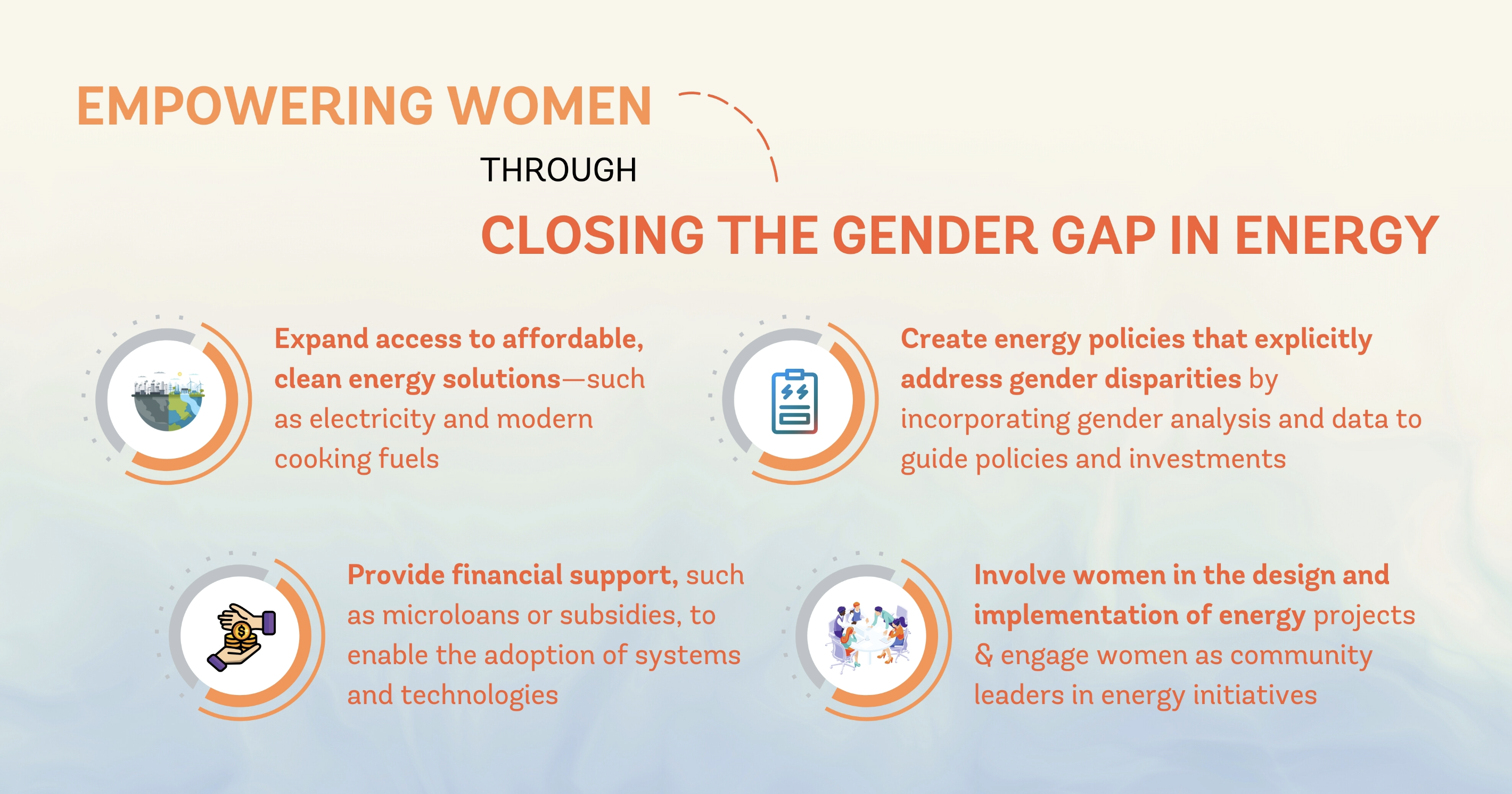
The Energy Sector Management Assistance Program (ESMAP) also focuses on gender-responsive energy solutions, recognizing that efforts need to be scaled up in decision-making, economic participation, domestic violence prevention, and female participation in the labor force to successfully achieve gender equality and empowerment. ESMAP’s initiatives to close the gender gap in energy illustrate the importance of women’s participation in renewable energy projects and modern energy access.
Energy projects must meet the specific needs of women by transitioning households from unreliable energy sources to modern, sustainable solutions. The energy sector can empower women, improve health outcomes, and foster inclusive economic growth by focusing on gender-responsive policies and practices.
Moving Forward
Inclusive infrastructure catalyzes productivity, enhances access to education, and promotes economic empowerment. It allows women to exercise agency in their life choices and contributes to macroeconomic growth. Countries that prioritize gender-responsive infrastructure reap significant benefits—for all their citizens, regardless of gender. Infrastructure designed for inclusivity is more than just fair—it serves as a powerful driver of economic potential and sustainable growth.
Empowering women through jobs such as construction, transportation, and energy offer significant potential for economically empowering women. Expanding opportunities for women in these fields addresses critical labor shortages, fosters innovation, and ensures that infrastructure projects reflect diverse perspectives.
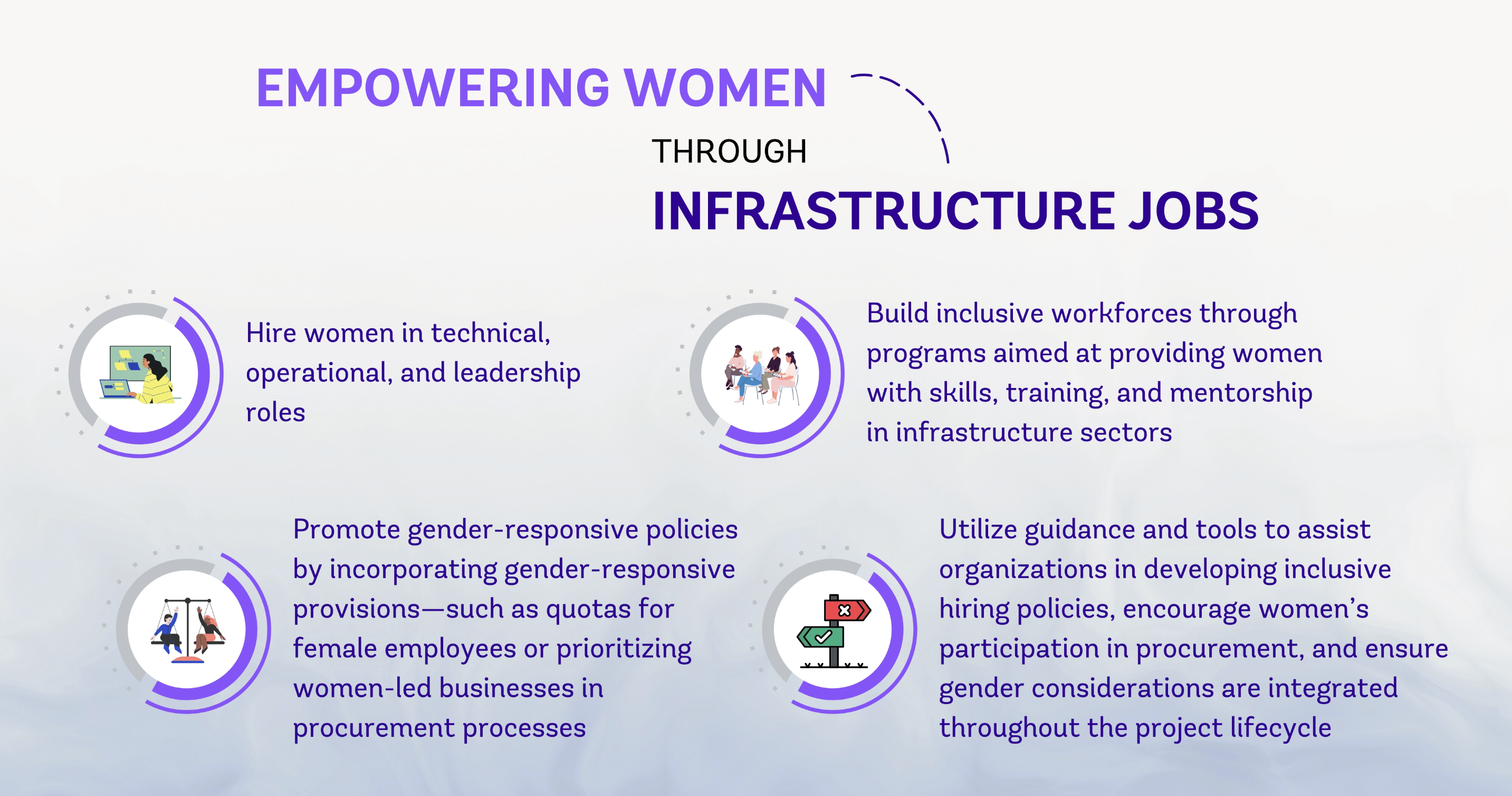
Closing the infrastructure gender gap isn’t just about fairness—it’s about unlocking the full potential of half the world’s population. It’s time to build a future that works for everyone.
RELATED NEWS
eTrade for Women is an initiative led by UN Trade and Development (UNCTAD), in collaboration with eTrade for all partners.
Keep in touch
Subscribe to our Newsletter
Get the eTrade for all monthly newsletter packed with our partners latest news, including on gender and the digital economy.
SUBSCRIBE